
Three Times a Week

If I were just starting yoga, here’s what I’d do. Sometimes people ask me where they should start. Which class should I book? Which style is best for beginners? What should I do if I’m stiff, nervous, tired, unfit, distracted, or completely new? I always have a hard time answering.
Not because there isn’t an answer. Because there are many. Different styles of yoga help us become aware of different things. One practice might teach us how to move. Another might teach us how to breathe when things get difficult. Another might teach us how impatient we become when there is nothing to do. Yoga is inconvenient like that. You arrive thinking you are going to stretch your hamstrings. Then something else happens: attention.
So if I were beginning again, knowing what I know now, I would practise three times a week. Not three hard classes.
Not three easy ones. Not three versions of the same thing. I would choose practices that ask different questions of me.
One to learn the body. One to meet effort. One to meet stillness. First, I’d learn how to inhabit my own body.
I would begin with Soma Flow. Not because it is the “easy” option. Because it is foundational.
Most of us are not actually very familiar with our own bodies. We live in them, obviously. We drag them through work, stress, sleep, errands, grief, emails, family, traffic. Life. But inhabit them? Different thing. Soma Flow gives us time to notice. - How do I stand? - Where do I grip? - Do I hold my breath when I concentrate? - Do I force myself into the idea of a shape, or can I feel the shape from the body I actually have today?
These are not small questions. This is where yoga becomes more than choreography. The pose is useful. But the pose is not really the point. Noticing. That is the point.

In yoga, there is a concept called svadhyaya. Self-study. It can sound lofty, but sometimes self-study is very simple. It is noticing that your jaw clenches when something feels difficult. It is realising you rush through transitions because you only value the final shape. It is asking, “What am I feeling?” before asking, “Am I doing this right?”
Soma Flow is where I would begin. Body first. Breath. Sensation. Choice. The beginning of a conversation with yourself.
Then I’d do something stronger.
I would take Vinyasa. A little quicker. A little stronger. More rhythm. More heat. More demand.
Because challenge matters too. The goal of yoga is not to feel calm only when everything is easy. Life is not easy. Things change. Plans collapse. People disappoint us. Bodies age. Emails arrive. The nervous system gets loud.
The question is not whether we can stay peaceful when nothing is happening. The question is what happens to us when things get difficult. Vinyasa gives us a small place to practise that. The pace picks up. The muscles begin to work. The breath gets louder. A shape appears that you do not particularly enjoy. And there you are.
Do you panic? Push? Compete? Disappear? Can you stay? Can you breathe? Can effort exist without aggression?
That is the practice.

Yoga gives us words like tapas: heat, discipline, steady effort. And dharana: concentration. In class, they look very ordinary. One breath. Then another. The decision not to collapse the moment something becomes uncomfortable. The decision not to force your body into something because the person next to you did.
The intelligence to know the difference. Vinyasa teaches us that challenge is not the enemy. But aggression is not the answer either. There is a middle place. Strong. Awake. Responsive. That is where I would practise. Not performing difficulty. Meeting it.
Then I would become quiet.
I would go to Yin & Meditation. This is where things get interesting. People sometimes assume the difficult yoga is the yoga where you sweat. Understandable. But remove the momentum. Remove the next pose. Remove the distraction of constantly having somewhere else to go. Stay. Now see what happens. Yin asks us to spend longer in a shape. Long enough for the muscles to soften their effort. Long enough to begin meeting the deeper layers of the body. Connective tissue. Fascia. Sensation. The places we usually move through too quickly to notice.
This is one of the things I find most interesting about Yin. It teaches us the language of sensation.
Not pain. Not endurance for the sake of endurance. Sensation. What is this? Where is it? Does it have an edge? Does it change when I breathe? Can I stay curious instead of immediately deciding that a feeling is either good or bad?
We spend so much of our lives responding to the body in crude terms. Fine. Not fine. Hurts. Doesn’t hurt. Tired. Hungry. Done. Yin asks for a more interesting vocabulary. Pressure. Heat. Pulling. Pulsing. Resistance. Space.
Sometimes, after holding a shape for several minutes, we slowly come out and pause. And there it is. Warmth. A pulse. Tingling. A sudden feeling of space. A part of the body we barely noticed a few minutes earlier now impossible to ignore. Alive.

These moments teach us something important. They teach us how to feel. To notice that sensation is not fixed. It moves. Changes. Builds. Dissolves. Sometimes the most useful question in a Yin pose is not, “How deep can I go?” It is, “What exactly am I feeling?” That is a very different practice. And once we begin paying attention to sensation, something else happens. The outside world becomes quieter. There is less movement. Less distraction. Less to achieve. And suddenly we begin noticing everything. The hip. The breath. The impatience. The itch. The thought about dinner. The urge to move. The part of us that believes every empty space must be filled immediately.
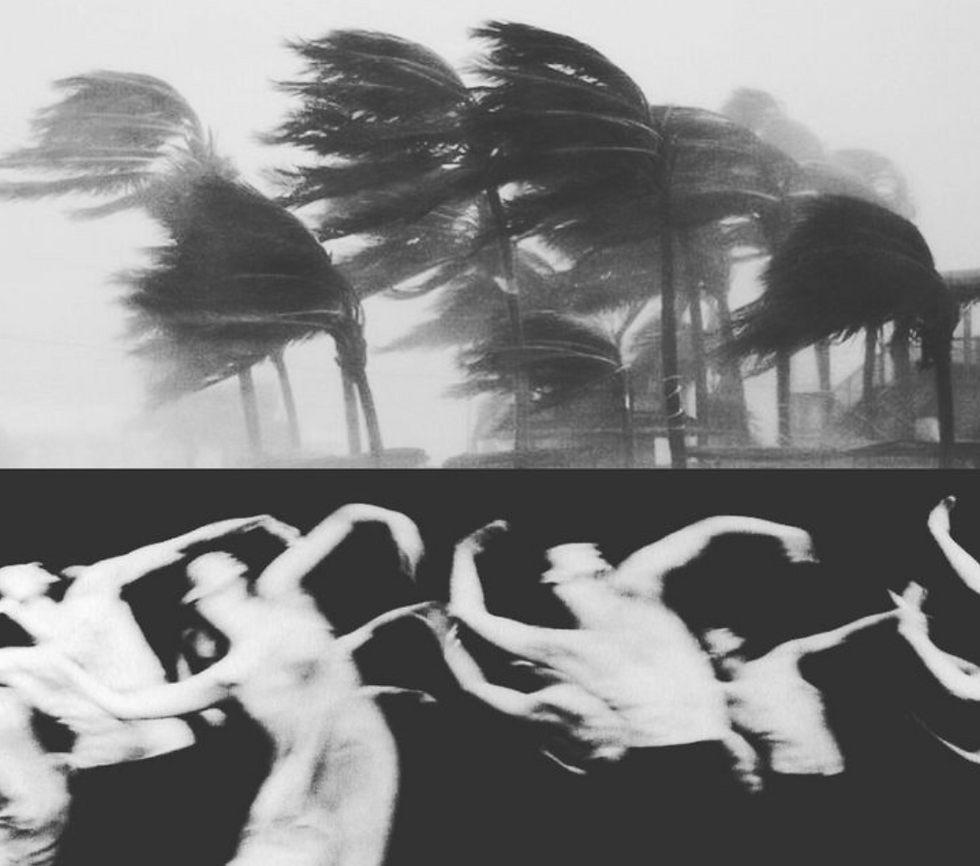
This is where Yin becomes a doorway into pratyahara. Turning inward. The world does not disappear. We simply stop feeding it quite so much of our attention. For a moment. And sensation becomes the doorway. You do not have to sit down and magically know how to meditate. You begin somewhere tangible. The weight of the body. The pull of tissue. The movement of breath. The pulse after releasing a shape. You feel. You notice. You stay. Stillness. People mistake it for absence. Often, it is the opposite. There is a lot there.
And eventually, I would meet repetition.
This is where Ashtanga enters the chat. Not necessarily as the first class I would take, but as the next chapter. Once I had some relationship with my body, my breath, and my attention, I would become curious about what happens when the sequence stays the same. Again. And again. And again. That is the genius of Ashtanga. The repetition removes one of our favourite hiding places...novelty. You know what is coming. So the question becomes: Who has arrived today? Same practice. Different body. Different mood. Different mind. Different life. Ashtanga introduces honesty. Discipline. Humility. Return. In yoga, this is abhyasa. Practice sustained over time. Not the dramatic breakthrough. Not the perfect class. Return. Return. Return. Maybe the posture does not change. Maybe your relationship to it does. That is practice.

So, if I were starting yoga?
I would begin with three classes a week. One Soma Flow, to learn the body. One Vinyasa, to meet effort. One Yin, to meet stillness. And later, perhaps, I would let Ashtanga teach me the discipline of returning. Not because yoga is about doing more. Because yoga is about noticing more. The practices are different because we are different in them. Moving, we discover one thing. Working, another. Still, something else entirely. And in repetition, we begin to see what remains. That is where I would start. Three times a week. Three different questions. And then I would pay attention. Because you may arrive thinking you are learning yoga. Quietly, yoga is teaching you how to notice your life.
Thanks for reading! If you ever have any questions, comments etc please never hesitate to reach out to me! Much Love,
Alla


Comments